

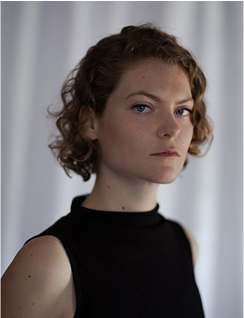
Ann Mirjam Vaiklamākslinieciskā darbība kuratores, mākslinieces un scenogrāfes lomā ir vērsta uz klimata taisnīguma, necilvēcisko sugu/ķermeņu un dekolonizācijas procesu savstarpējo saistību. Šīs tēmas ir aplūkotas vairākos viņas iepriekšējos kuratoriālajos projektos, tostarp 8. Artishok biennālē Botanical Witnesses (2022) Tallinas botāniskajā dārzā; Point of No Return. Attunement of Attention (2021) Narvas mākslas rezidencē (NART). Viņa ir ieguvusi bakalaura grādu scenogrāfijā Norvēģijas Teātra akadēmijā un maģistra grādu kultūrā un mākslās Novia Universitātē Somijā. Šobrīd viņa turpina studijas pēcdiploma programmā Decolonizing Architecture Advanced Studies (DAAS) Stokholmas Karaliskajā mākslas institūtā (2022–2024). Viņa ir rezidenču cikla KORDON LAB on Food and Energy (2023–2024) līdzkuratore. Kopš 2023. gada viņa strādā par laikmetīgās mākslas kuratori Kumu mākslas muzejā (Igaunijas Mākslas muzejs).
Rezidencē PAiR Ann Mirjam Vaikla pievērsīsies kuratoriālās esejas rakstīšanai starptautiskajai grupas izstādei They Began To Talk , kas tiks atklāta 2025. gada februārī Kumu mākslas muzeja Laikmetīgās mākslas galerijā.
Izstāde They Began To Talk, kuras līdzkuratore ir Hanna Laura Kaljo, pēta, kāda ir sajūta būt ķermenim klimata pārmaiņu un vides nevienlīdzības laikmetā. Izstādē "ķermenis" tiek uztverts kā paplašināts jēdziens, kas ietver cilvēkus, citas dzīvās būtnes un ekosistēmas, kuru daļa tie ir: no upēm un kalnainiem apvidiem līdz piekrastes zonām un debess ķermeņiem. Tā atsaucas uz ideju, ka mūsu cilvēciskā ķermeņa robeža nav āda, kas to ietver, bet gan mēs sniedzamies tālāk, pateicoties attiecībām ar to, kas mums ir apkārt. Izstāde aplūko šo izplūdušo robežu starp to, kas ir "iekšpusē" un "ārpusē", caur "vides traumas" fenomenu – pēkšņu un strauju vides izmaiņu izraisītu traumu –, kam raksturīgs klusums. They Began To Talk izvirza priekšplānā sarunājošos "ķermeni", īpašu uzmanību pievēršot Igaunijai un plašākam Ziemeļvalstu un Baltijas reģionam.